What is this site for?
To put Chinese civilisation into English properly: the classical texts, the concepts they argue with, the characters they were written in, and the practice that still surrounds them in Taiwan — each with the original beside the translation, and each traceable to where it comes from.
How do I know an entry has actually been checked?
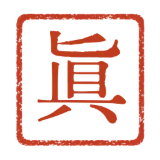
Every published entry carries a verdict and the small 真 seal at its foot. An entry with no verdict recorded against it is not published at all — not as a draft, not as a stub — so “not yet read” and “read and confirmed” can never be mistaken for one another. Where the sources do not settle a question, the entry says Unverified rather than guessing. The full process is on the methodology page.
Why do some entries say “Unverified”?
Because I could not find a primary source either way. That is an honest answer, and it is more useful than a guess dressed up as a finding.
Can I reuse the data on this site?
The database — original passages, citations, verdicts, dates — is CC BY 4.0: reuse it, including commercially, with attribution to Vermilion Seal. The English translations are the exception: they stay copyright of the author, so quote a line with credit as you would from any book, but republishing them in bulk needs permission. The full breakdown is on the terms page.
Do you check tattoo designs?
Not as a private service. The character library gives the correct form, the meaning, and the specific error people make with that character — which is the same information I would give you, for free and permanently.
Are you a Daoist priest or a master?
No. I trained for a period as a lay student at a Daoist temple in Taiwan, and I say so plainly rather than letting it be read as more than it was. I read the sources; I do not transmit a lineage.
Which translation of the Analects or the Tao Te Ching should I buy?
Guides comparing the standard translations are being written. Until they are published, the short answer: read two, and prefer editions that show you the original text.